In an unprecedented and vital move, California has officially established a Missing and Murdered Indigenous People (MMIP) Day, a historic recognition aimed at shedding light on the alarming and often overlooked crisis of missing and murdered Indigenous individuals, particularly women. This day serves as both a remembrance and a call to action, urging the public and authorities to address the systemic issues contributing to this devastating epidemic.
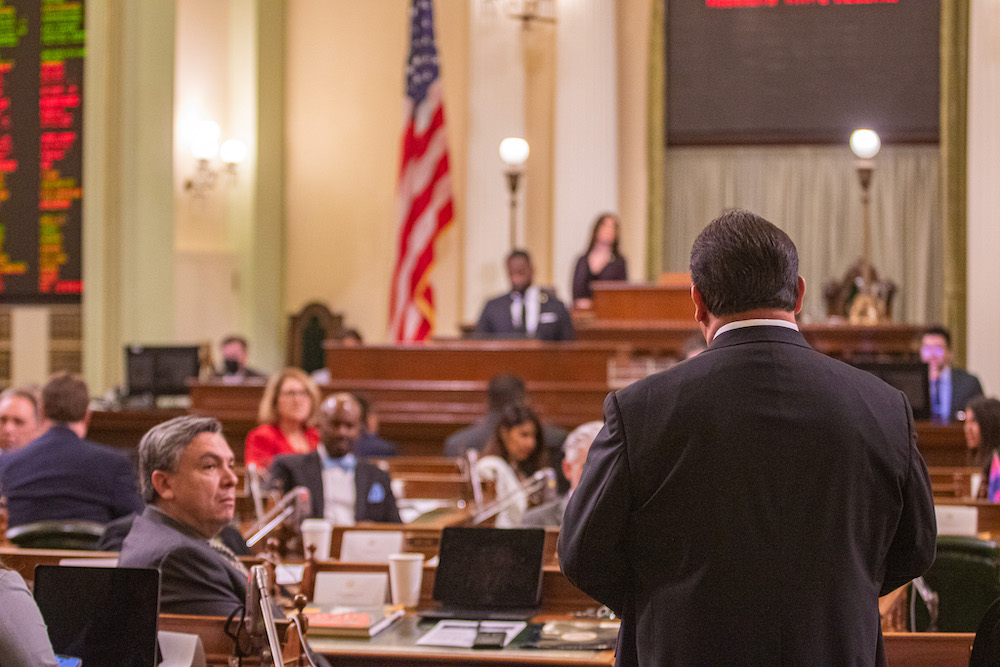
Why MMIP Day Matters: A Day of Justice, Remembrance, and Action
The MMIP Day is not just about remembering the Indigenous people who have gone missing or been murdered — it’s about recognizing the deep-rooted issues that continue to make Indigenous communities disproportionately vulnerable to violence and disappearance. In California, a state with a large Native population, this day holds significant weight in advocating for accountability and justice for Indigenous families.
Through events like vigils, marches, and public memorials, MMIP Day serves to amplify the voices of families who are still seeking answers, closure, and justice. This is also a day to educate the public on the systemic violence that Indigenous people face, especially Indigenous women, who are 10 times more likely to be murdered than their non-Indigenous counterparts.
A History of Struggle: The Need for Change
Indigenous families and advocates have long fought for justice for the missing and murdered. Over the years, the systemic neglect of these cases by law enforcement has only deepened the trauma felt by Indigenous communities. The establishment of MMIP Day is a pivotal step in demanding systemic change and the necessary resources to investigate these cases thoroughly.
California Governor Gavin Newsom and other state leaders have expressed their commitment to addressing this crisis. Governor Newsom said:
“This day of remembrance is not only a chance to honor those we have lost, but a critical opportunity to stand together and demand action — for our communities, for justice, and for the truth.”
This recognition builds on years of advocacy by Indigenous communities and activists, whose voices have been crucial in pushing for the legislation and funding that will allow for better investigation and support for victims’ families.
The Heartbreaking Reality: The Crisis of Missing and Murdered Indigenous People
Indigenous women, in particular, are at an alarmingly higher risk of violence, including murder, sexual assault, and human trafficking. The issue of missing Indigenous women has largely been ignored or downplayed by law enforcement, leading to an unresolved crisis that disproportionately affects Native communities.
Studies show that Native women are twice as likely to experience sexual violence as other groups, and yet their cases often go unsolved. The need for more dedicated resources, culturally sensitive policing, and support systems for Indigenous victims is urgent.
MMIP Day: A Day to Heal, Remember, and Demand Justice
For the families and communities affected by this crisis, MMIP Day is a day to come together in solidarity — to honor the lives of those who have been taken, and to continue the fight for justice. It is also an opportunity to empower future generations of Indigenous leaders who will advocate for safer communities and accountability in these tragic cases.
Local tribes and leaders in California are using this day to push for changes in public policy that will ensure Indigenous peoples’ safety and protect their rights. This includes better resources for missing persons investigations, protection for Native women, and increased collaboration with law enforcement.
Moving Forward: What’s Next for MMIP Justice
The recognition of MMIP Day is just the beginning. California is now at the forefront of a national movement to address the MMIP crisis. Moving forward, we can expect:
-
Policy changes at both the state and federal levels to protect Indigenous people from violence.
-
Increased funding for the investigation of missing and murdered Indigenous people cases.
-
Ongoing public awareness campaigns aimed at educating communities and law enforcement about the unique needs of Indigenous people.
It’s up to all of us to keep the momentum going — to continue raising our voices and demanding justice for the many Indigenous lives that have been lost.
How You Can Help: Be a Part of the Change
-
Support MMIP Advocacy Groups: Many organizations are working tirelessly to support families of missing and murdered Indigenous people. Consider donating to these causes or volunteering your time to help their efforts.
-
Raise Awareness: Share information on social media about MMIP Day and the ongoing efforts to end the violence against Indigenous people.
-
Advocate for Change: Contact your representatives to demand policy reforms that protect Indigenous communities and address the MMIP crisis.
Together, we can create a future where no Indigenous person is left behind, and every victim of violence receives the justice they deserve.
Conclusion: A Day to Remember, A Movement to Uphold
California’s Missing and Murdered Indigenous People Day is an important milestone in the ongoing fight for justice, healing, and accountability. But it is also a call to action for everyone to stand together, support Indigenous families, and demand lasting changes in how we address violence against Indigenous people.
The MMIP crisis may not be solved in a single day, but with continued awareness, advocacy, and commitment, we can honor the lives lost and ensure a better, safer future for Indigenous communities across the country.
