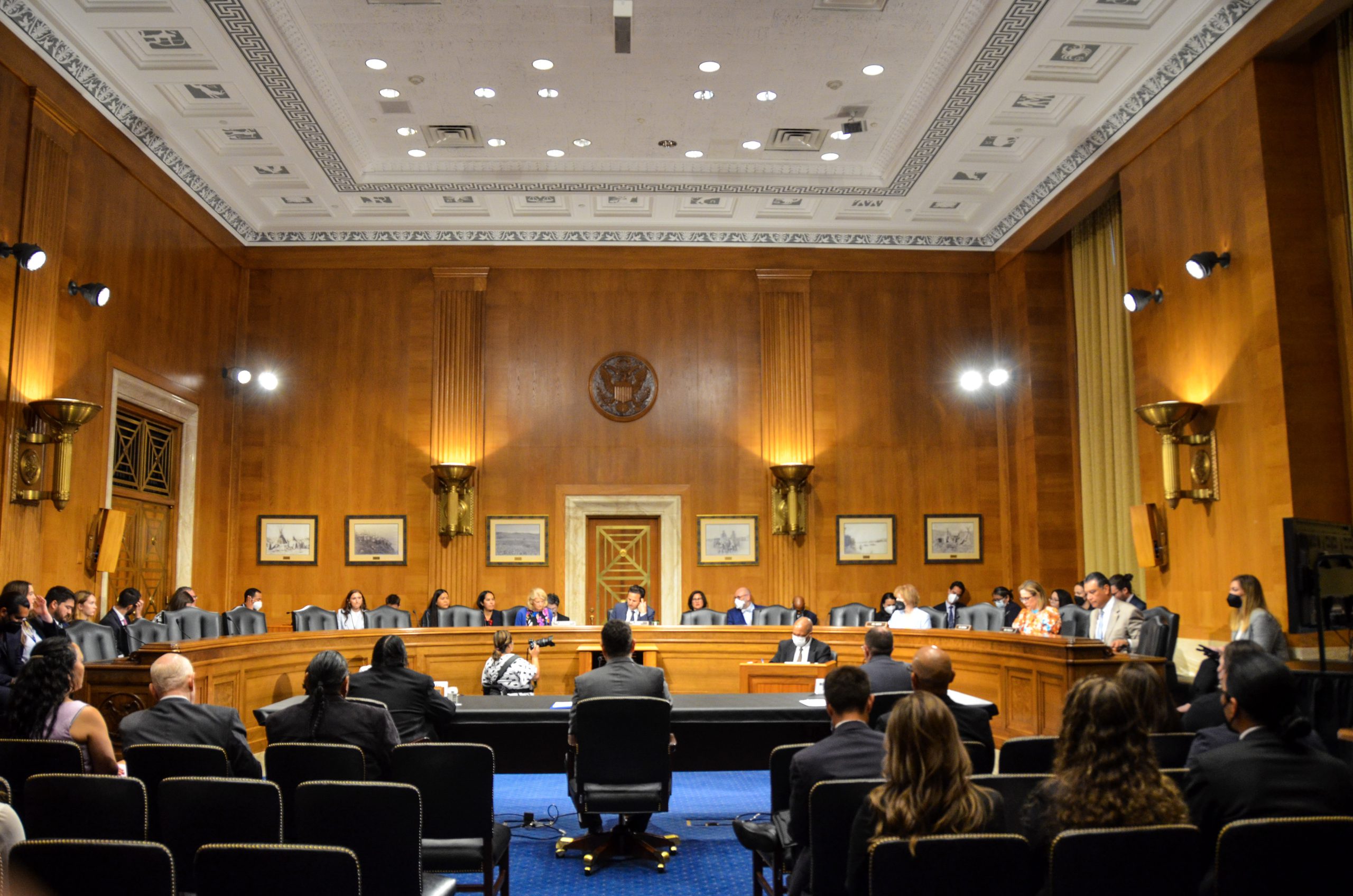
In a critical moment for Native American education, the U.S. Senate Committee on Indian Affairs convened to address the potentially devastating consequences of President Trump's executive order aimed at dismantling the U.S. Department of Education. The proposed changes could have far-reaching effects on the education of Native American and Alaska Native students, many of whom rely on vital federal programs for support.
🎓 What’s at Stake for Native Students?
Native American students make up a unique demographic, with over 90% enrolled in public schools that rely on federal programs for support. The proposed dismantling of the U.S. Department of Education would disrupt programs that are critical to their educational success, such as:
-
Title VI Indian Education: Funding for culturally relevant academic programs and Native language revitalization.
-
Impact Aid: Financial support for schools that serve large populations of Native American students.
-
IDEA (Individuals with Disabilities Education Act): Specialized services for Native students with disabilities.
These programs are not just about funding — they’re about cultural preservation, mental health support, and academic enrichment that are tailored to the needs of Native communities. The fear is that without these federal safeguards, students may lose access to crucial resources designed specifically for them.
🗣️ Voices of Concern: Senators Speak Up
During the hearing, powerful voices expressed the urgency of protecting these vital programs.
Senator Lisa Murkowski (R-Alaska), Chair of the Committee, emphasized the long-lasting impact that federal programs have on Native communities:
“The well-being of Native students is tied directly to the availability of these programs. The dismantling of the Department of Education puts those students at a significant disadvantage.”
Vice Chairman Senator Brian Schatz (D-Hawaiʻi) raised alarm over the lack of trust or treaty obligations that state governments have to Native populations. Without federal oversight, Native students would be at the mercy of state policies, many of which lack the cultural sensitivity and resources that Native communities need.
📢 A Call to Action for Native Advocates
The committee hearing was more than just a discussion — it was a call to action for advocates, community leaders, and educators to speak up and fight for the preservation of these federal education programs. Native students deserve an education that honors their culture, language, and unique needs, and that can only happen if critical programs are kept intact.
🌍 What Can You Do?
-
Advocate for Native Education: Reach out to your elected officials and voice your support for programs that benefit Native students.
-
Stay Informed: Follow the ongoing discussions in Congress and stay updated on legislative changes affecting Native education.
-
Get Involved: Join or support organizations that are fighting to protect Indigenous rights to education.
“Our students are the future of our communities. Their success is not just their own — it’s our shared success.”
🔗 Learn More
For more information on the Senate hearing and its impact on Native education
